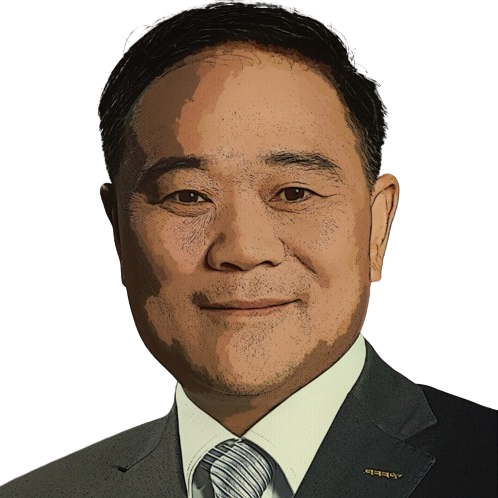
Li Shufu is a name synonymous with ambition, strategic foresight, and an incredible rise to power in the global automotive industry. As the founder and chairman of Zhejiang Geely Holding Group, he has transformed a small refrigerator parts manufacturer into a multinational conglomerate that owns iconic brands like Volvo, Lotus, Polestar, and holds significant stakes in Mercedes-Benz Group. Understanding Li Shufu's net worth isn't just about tallying numbers; it's about dissecting the empire he meticulously built and the shrewd investments that underpin his colossal fortune.
For many, Li Shufu remains a relatively quiet figure compared to some of his flashier Western counterparts, yet his influence on the automotive landscape is undeniable. His story is a testament to the power of vision, resilience, and the relentless pursuit of growth. This article delves deep into the sources of his wealth, the strategies that propelled him to billionaire status, and the vast scale of his financial empire.
The Billionaire Behind the Wheel: Who is Li Shufu?
Born in Taizhou, Zhejiang province, China, in 1963, Li Shufu's journey to becoming one of the world's most influential entrepreneurs is nothing short of remarkable. His humble beginnings gave little indication of the vast fortune he would accumulate, but his entrepreneurial spirit was evident from a young age.
From Humble Beginnings to Automotive Titan
Li Shufu started his first business in his late teens, operating a photography studio with just 120 yuan ($17) of capital. This venture quickly evolved, initially manufacturing parts for refrigerators, then refrigerators themselves, and later motorcycles. This incremental growth laid the foundation for his understanding of manufacturing, supply chains, and market demand – crucial lessons that would serve him well in the years to come. Unlike many Chinese entrepreneurs who rose through state-owned enterprises, Li Shufu's path was distinctly private, characterized by an independent spirit and a willingness to challenge established norms.
The Birth of Geely
The turning point came in 1997 when Li Shufu made the audacious decision to enter the automotive industry, a sector then dominated by state-owned giants and foreign joint ventures. Despite skepticism and a lack of prior experience in car manufacturing, he founded Geely Auto. His philosophy was simple: cars should be affordable and accessible to the masses. This vision, combined with a relentless work ethic, allowed Geely to slowly but steadily gain traction in the burgeoning Chinese market. It was this initial foray that truly set the stage for the growth of Li Shufu's net worth into the billions.
Unpacking Li Shufu's Net Worth: A Deep Dive into the Numbers
Estimating the precise Li Shufu net worth is a complex task, as fortunes tied to private companies and fluctuating stock markets are always in motion. However, various financial publications and wealth trackers provide consistent estimates that place him firmly among the world's wealthiest individuals.
The Constantly Shifting Fortune
As of late 2023 and early 2024, reputable sources like Forbes and Bloomberg Billionaires Index have consistently placed Li Shufu's net worth in the range of $20 billion to $30 billion. It's important to note that these figures are dynamic, influenced by the performance of Geely Auto (listed on the Hong Kong stock exchange), the valuations of privately held entities within Zhejiang Geely Holding Group, and the market performance of his significant stakes in other public companies like Mercedes-Benz Group. Factors such as global economic trends, automotive sales, and strategic acquisitions or divestitures can cause these numbers to fluctuate significantly year-over-year, or even month-to-month.
Key Assets and Holdings
The vast majority of Li Shufu's fortune is derived from his controlling stake in Zhejiang Geely Holding Group (ZGH), which is the parent company of a sprawling automotive empire. His key assets and holdings include:
- Geely Auto: The publicly listed arm that manufactures and sells passenger cars under the Geely brand, Lynk & Co, and Geometry. Its strong performance in the Chinese market and increasing international presence are major contributors.
- Volvo Cars: Acquired from Ford in 2010 for $1.8 billion, this audacious purchase was a masterstroke. Under Geely's ownership, Volvo has seen a significant revitalization, expansion into new markets, and a strong push into electrification. The successful IPO of Volvo Cars further solidified its value within the portfolio.
- Polestar: The high-performance electric vehicle brand spun out of Volvo, now also publicly listed.
- Lotus: The iconic British sports car brand, majority-owned by Geely, is undergoing a transformation with a focus on electric performance vehicles.
- Mercedes-Benz Group AG: In 2018, Geely acquired nearly 10% of Daimler AG (now Mercedes-Benz Group AG) for approximately $9 billion, making Li Shufu its largest single shareholder. This strategic investment not only provides a valuable stake in one of the world's premier luxury automakers but also opens doors for technology sharing and collaboration.
- Other Ventures: ZGH also owns LEVC (London Electric Vehicle Company), Farizon Auto (commercial vehicles), and investments in mobility technology, satellite technology, and ride-hailing services (e.g., Cao Cao Mobility).
The combined value of these entities, both public and private, paints a clear picture of the immense scale of Li Shufu's net worth: a deep dive into Geely's success reveals the intricate web of acquisitions and strategic investments that form the bedrock of his financial power.
The Pillars of Li Shufu's Empire: How He Built His Wealth
Li Shufu's ascent to billionaire status wasn't by chance; it was the result of calculated risks, a clear long-term vision, and a unique approach to business in the global automotive landscape.
Strategic Acquisitions and Global Expansion
The most defining characteristic of Li Shufu's strategy has been his willingness to acquire established brands and technologies, particularly from struggling Western companies. The acquisition of Volvo Cars in 2010 stands as a masterclass in this approach. Instead of dismantling the brand, Geely provided the necessary capital and autonomy, allowing Volvo to thrive independently while leveraging Geely's resources for economies of scale and market access, especially in China. This strategy was replicated with Lotus and other brands, proving that a Chinese company could successfully manage and revive iconic Western marques. This intricate strategy is a key aspect of how Li Shufu built his multi-billion dollar empire.
- Bold Vision: He saw value where others saw liabilities, betting on the intrinsic strength of brands like Volvo.
- Respect for Brand Identity: Unlike many mergers, Li Shufu largely allowed acquired brands to maintain their cultural identity and management structures, fostering trust and preserving unique brand values.
- Synergy and Scale: While allowing autonomy, he also orchestrated synergies in areas like platform sharing, component sourcing, and R&D, leading to cost efficiencies and faster development cycles across the group.
Innovation and Diversification
Beyond acquisitions, Li Shufu has consistently pushed for innovation. Geely has invested heavily in research and development, particularly in electric vehicle (EV) technology, autonomous driving, and sustainable mobility solutions. He foresaw the shift towards electrification and has positioned Geely at the forefront of this transition with brands like Polestar and Geometry, as well as significant EV offerings under the Geely and Volvo banners. Furthermore, his ventures extend beyond traditional car manufacturing into areas like satellite technology (Geely plans to launch its own low-orbit satellites to support autonomous driving) and mobility services, demonstrating a holistic vision for the future of transportation.
Beyond the Billions: Li Shufu's Impact and Legacy
Li Shufu's impact extends far beyond the impressive figures of Li Shufu's net worth. He has fundamentally reshaped the global automotive industry, challenged stereotypes about Chinese manufacturing, and provided a blueprint for successful international expansion by Chinese companies.
Shaping the Future of Mobility
Through Geely, Li Shufu is actively shaping the future of mobility. His investments in electric vehicles, smart connectivity, and autonomous technology demonstrate a clear commitment to sustainable and technologically advanced transportation. By fostering competition and innovation across his diverse portfolio of brands, he is pushing the boundaries of what's possible in automotive engineering and design. His vision includes not just selling cars, but providing comprehensive mobility solutions that integrate vehicles with digital services and urban infrastructure.
A Visionary Leader's Enduring Influence
Li Shufu's legacy will be that of a visionary leader who dared to dream big and executed with precision. He not only built a colossal fortune but also created thousands of jobs globally, contributed significantly to technological advancement, and demonstrated China's growing prowess in sophisticated manufacturing and global brand management. His pragmatic yet ambitious approach serves as an inspiration for entrepreneurs worldwide, proving that with determination and strategic thinking, even the most challenging industries can be conquered.
Conclusion
The story of Li Shufu's net worth is more than a tale of accumulated wealth; it's an epic saga of entrepreneurial daring, strategic brilliance, and relentless growth. From a young man taking photographs to the chairman of a global automotive powerhouse, Li Shufu has demonstrated an unparalleled ability to identify opportunities, execute complex acquisitions, and foster innovation across a diverse portfolio of brands. His fortune, estimated in the tens of billions, is a direct reflection of the immense value created by Zhejiang Geely Holding Group and its subsidiaries. As the automotive world continues its rapid evolution, Li Shufu remains a pivotal figure, whose past achievements and future ambitions will undoubtedly continue to influence the global landscape of mobility for decades to come.
